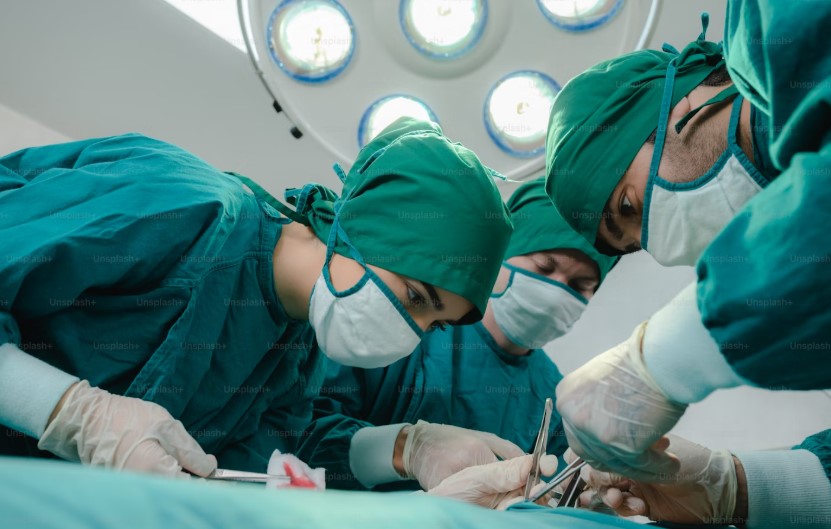
Massachusetts stands at the forefront of medical innovation, particularly in the realm of kidney transplantation. With a combination of cutting-edge technology, experienced medical professionals, and comprehensive patient care, the state’s hospitals offer some of the best kidney transplant programs in the United States.
This article delves into the top 20 hospitals in Massachusetts renowned for their excellence in kidney transplantation.
Here Are The Full Details About Top 20 Best Hospital In The Massachusetts For Kidney Transplant
1. Massachusetts General Hospital (MGH) – Boston
Established in 1963, MGH’s Kidney Transplant Program is a pioneer in organ transplantation. The hospital boasts one of the highest volumes of kidney transplants in New England and has achieved a remarkable 96% three-year patient survival rate, surpassing the national average of 88%. MGH is also at the forefront of xenotransplantation, having performed the world’s first successful pig-to-human kidney transplant in 2024.
2. Lahey Hospital & Medical Center – Burlington
Lahey Hospital is recognized for its collaborative approach and personalized care in kidney transplantation. The center offers various transplant options, including living donor, deceased donor, and paired exchange programs. Their comprehensive evaluation process ensures patients receive tailored treatment plans.
3. Brigham and Women’s Hospital – Boston
Home to the world’s first successful human organ transplant in 1954, Brigham and Women’s Hospital has a rich history in transplantation. The hospital’s Kidney Transplant Program emphasizes minimally invasive techniques, state-of-the-art treatments for sensitized patients, and active participation in paired kidney exchange programs.
4. Beth Israel Deaconess Medical Center (BIDMC) – Boston
BIDMC’s Transplant Institute is renowned for its affiliation with the Joslin Diabetes Center, enhancing its expertise in kidney and pancreatic care. The center focuses on individualized patient care, emphasizing the benefits of preemptive transplantation and living donor programs.
5. UMass Memorial Medical Center – Worcester
UMass Memorial offers a comprehensive kidney transplant program, catering to patients with advanced chronic kidney disease or end-stage renal disease. Their multidisciplinary team ensures thorough evaluations, and they provide robust support systems throughout the transplant journey.
6. Tufts Medical Center – Boston
Tufts Medical Center offers a comprehensive kidney transplant program, emphasizing patient-centered care and innovative surgical techniques. Their team collaborates closely with patients to ensure optimal outcomes.
7. Boston Medical Center – Boston
As a leading academic medical center, Boston Medical Center provides advanced kidney transplant services, focusing on underserved populations and ensuring equitable access to transplantation.
8. Baystate Medical Center – Springfield
Baystate’s transplant program is known for its personalized approach, offering both living and deceased donor kidney transplants, and providing extensive post-transplant support.
9. Southcoast Health – New Bedford
Southcoast Health offers comprehensive kidney care, including transplant evaluations and referrals, ensuring patients receive timely and effective treatment options.
10. Cape Cod Healthcare – Hyannis
While not performing transplants on-site, Cape Cod Healthcare provides essential pre- and post-transplant care, coordinating closely with major transplant centers in Massachusetts.
11. Lowell General Hospital – Lowell
Lowell General offers nephrology services and collaborates with transplant centers to facilitate patient evaluations and follow-up care.
12. North Shore Medical Center – Salem
Part of the Mass General Brigham network, North Shore Medical Center provides access to leading transplant programs and offers comprehensive kidney care services.
13. Holyoke Medical Center – Holyoke
Holyoke Medical Center offers nephrology consultations and works in tandem with transplant centers to manage patient care effectively.
14. Berkshire Medical Center – Pittsfield
Serving Western Massachusetts, Berkshire Medical Center provides essential kidney care services and facilitates connections with transplant programs.
15. Lawrence General Hospital – Lawrence
Lawrence General offers nephrology services and collaborates with regional transplant centers to ensure patients receive comprehensive care.
16. St. Vincent Hospital – Worcester
St. Vincent provides kidney care services and works closely with transplant centers to manage patient evaluations and post-transplant care.
17. Milford Regional Medical Center – Milford
Milford Regional offers nephrology consultations and coordinates with transplant programs to support patients throughout their transplant journey.
18. Emerson Hospital – Concord
Emerson Hospital provides kidney care services and collaborates with major transplant centers to ensure patients receive timely evaluations and follow-up care.
19. Anna Jaques Hospital – Newburyport
Anna Jaques offers nephrology services and works in conjunction with transplant centers to manage patient care effectively.
20. Cooley Dickinson Hospital – Northampton
Affiliated with Massachusetts General Hospital, Cooley Dickinson provides comprehensive kidney care and facilitates access to leading transplant programs.
FAQs About Best Hospital In The Massachusetts For Kidney Transplant
1. What is the average wait time for a kidney transplant in Massachusetts?
Wait times can vary based on several factors, including blood type, medical urgency, and availability of donors. On average, patients might wait anywhere from 3 to 5 years. However, participating in living donor programs can significantly reduce this time.
2. Are living donor transplants more successful than deceased donor transplants?
Yes, kidneys from living donors often function better and last longer than those from deceased donors. They also allow for scheduled surgeries, reducing wait times and improving outcomes.
3. What are the costs associated with kidney transplantation?
The costs can vary depending on the hospital and individual circumstances. It’s essential to consult with the hospital’s financial coordinator to understand potential expenses and insurance coverage.
4. How do I become a living kidney donor?
If you’re interested in becoming a living donor, contact a transplant center to undergo evaluations to determine your eligibility and compatibility with potential recipients.
5. What is xenotransplantation, and is it available in Massachusetts?
Xenotransplantation involves transplanting organs from one species to another, such as pig kidneys into humans. Massachusetts General Hospital performed the world’s first successful pig-to-human kidney transplant in 2024, marking a significant advancement in this field.
6. What support services are available for transplant patients?
Most transplant centers offer comprehensive support, including counseling, nutritional guidance, and support groups to assist patients before and after transplantation.
7. How do I get referred to a transplant center?
Your primary care physician or nephrologist can refer you. Alternatively, you can contact the transplant center directly to inquire about the referral process.
8. What are the risks associated with kidney transplantation?
While kidney transplantation is generally safe, risks include rejection, infection, and complications from immunosuppressive medications. It’s crucial to discuss potential risks with your transplant team.
9. Can I travel after a kidney transplant?
Yes, but it’s advisable to wait until your doctor confirms it’s safe. Always consult with your transplant team before making travel plans.
10. How long does a transplanted kidney last?
On average, a kidney from a living donor can last 15-20 years, while one from a deceased donor may last 10-15 years. Regular follow-ups and adherence to medical advice can help prolong the kidney’s function.
Conclusion
Massachusetts offers a plethora of top-tier hospitals specializing in kidney transplantation. From pioneering procedures at Massachusetts General Hospital to comprehensive care at Lahey Hospital and Brigham and Women’s Hospital, patients have access to world-class medical services.
Whether you’re considering a transplant or seeking information, these institutions provide the expertise and support necessary for a successful kidney transplant journey.