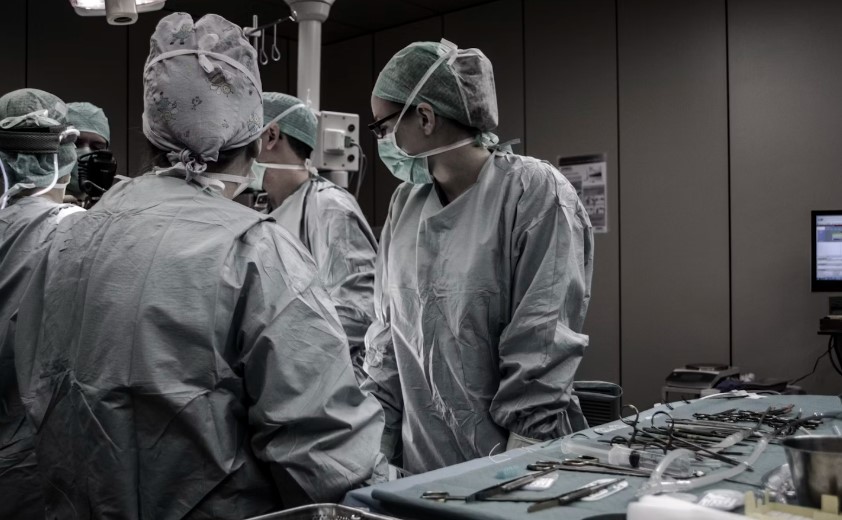
Liver transplantation is a critical procedure for patients with end-stage liver disease or acute liver failure. New Jersey boasts several top-tier hospitals that offer exceptional liver transplant services.
This article highlights the top 20 hospitals in New Jersey renowned for their liver transplant programs, focusing on patient outcomes, medical expertise, and advanced technologies.
Here Are The Full Details About Top 20 Best Hospital In The New Jersey For Liver Transplant
1. University Hospital – Newark
University Hospital in Newark, affiliated with Rutgers New Jersey Medical School, is a leader in liver transplantation. It was the first liver transplant center in New Jersey, established in 1989. The hospital’s Center for Advanced Liver Diseases and Transplantation has performed over 1,650 liver transplants. Notably, it has achieved a three-year survival rate of 98.72%, the highest in the nation, according to the Scientific Registry of Transplant Recipients (SRTR).
2. Hackensack University Medical Center – Hackensack
Hackensack University Medical Center offers a comprehensive liver transplant program with a multidisciplinary team approach. The center emphasizes personalized care, advanced surgical techniques, and robust post-transplant support, contributing to favorable patient outcomes.
3. Robert Wood Johnson University Hospital – New Brunswick
As a major academic medical center, Robert Wood Johnson University Hospital provides a full spectrum of liver transplant services. The hospital’s transplant team collaborates closely with Rutgers Robert Wood Johnson Medical School, ensuring access to cutting-edge research and clinical trials.
4. Saint Barnabas Medical Center – Livingston
Saint Barnabas Medical Center’s Liver Transplant Program is known for its experienced surgical team and comprehensive patient care. The center offers innovative treatments and has a strong focus on patient education and support throughout the transplant process.
5. Cooper University Hospital – Camden
Cooper University Hospital provides liver transplant services with a focus on individualized patient care. The hospital’s transplant team includes specialists in hepatology, surgery, and post-transplant care, ensuring a holistic approach to treatment.
6. Jersey Shore University Medical Center – Neptune
Jersey Shore University Medical Center offers liver transplant evaluations and postoperative care. The hospital collaborates with regional transplant centers to provide patients with access to transplant services while maintaining continuity of care locally.
7. Morristown Medical Center – Morristown
Morristown Medical Center provides comprehensive liver disease management, including transplant evaluations and postoperative care. The hospital’s affiliation with Atlantic Health System allows for coordinated care across multiple specialties.
8. Capital Health Regional Medical Center – Trenton
Capital Health offers liver transplant evaluations and works closely with transplant centers to facilitate patient referrals. The hospital emphasizes patient education and support throughout the transplant journey.
9. Virtua Our Lady of Lourdes Hospital – Camden
Virtua Our Lady of Lourdes Hospital provides liver transplant evaluations and postoperative care. The hospital’s multidisciplinary team ensures that patients receive comprehensive support before and after transplantation.
10. RWJBarnabas Health – Multiple Locations
RWJBarnabas Health operates several facilities across New Jersey that offer liver transplant services. The health system’s integrated approach allows for seamless coordination of care, from evaluation to postoperative management.
11. Englewood Health – Englewood
Englewood Health provides liver disease management and collaborates with transplant centers for patient referrals. The hospital focuses on personalized care and patient education to support individuals throughout the transplant process.
12. Holy Name Medical Center – Teaneck
Holy Name Medical Center offers liver disease evaluations and coordinates with transplant centers for comprehensive care. The hospital emphasizes a patient-centered approach, ensuring that individuals receive the support they need.
13. Trinitas Regional Medical Center – Elizabeth
Trinitas Regional Medical Center provides liver disease management and works with transplant centers to facilitate patient referrals. The hospital’s commitment to community health ensures accessible care for patients in need.
14. Saint Peter’s University Hospital – New Brunswick
Saint Peter’s University Hospital offers liver disease evaluations and collaborates with transplant centers to provide comprehensive care. The hospital’s focus on compassionate care supports patients throughout their treatment journey.
15. Monmouth Medical Center – Long Branch
Monmouth Medical Center provides liver disease management and coordinates with transplant centers for patient referrals. The hospital’s multidisciplinary team ensures that patients receive comprehensive support.
16. Newark Beth Israel Medical Center – Newark
Newark Beth Israel Medical Center offers liver disease evaluations and collaborates with transplant centers to provide comprehensive care. The hospital’s commitment to patient-centered care ensures that individuals receive the support they need.
17. Ocean Medical Center – Brick
Ocean Medical Center provides liver disease management and works with transplant centers to facilitate patient referrals. The hospital’s focus on community health ensures accessible care for patients in need.
18. Mountainside Medical Center – Montclair
Mountainside Medical Center offers liver disease evaluations and collaborates with transplant centers to provide comprehensive care. The hospital’s commitment to personalized care supports patients throughout their treatment journey.
19. Raritan Bay Medical Center – Perth Amboy
Raritan Bay Medical Center provides liver disease management and coordinates with transplant centers for patient referrals. The hospital’s multidisciplinary team ensures that patients receive comprehensive support.
20. Bayshore Medical Center – Holmdel
Bayshore Medical Center offers liver disease evaluations and collaborates with transplant centers to provide comprehensive care. The hospital’s focus on patient-centered care ensures that individuals receive the support they need.
FAQs About Best Hospital In The New Jersey For Liver Transplant
1. What factors should I consider when choosing a liver transplant hospital in New Jersey?
Consider the hospital’s experience with liver transplants, patient survival rates, the expertise of the transplant team, availability of support services, and proximity to your home.
2. How do I know if I’m eligible for a liver transplant?
Eligibility is determined by a comprehensive evaluation that includes medical history, liver disease severity, overall health, and psychosocial factors. Consult with a hepatologist or transplant center for assessment.
3. What is the average waiting time for a liver transplant in New Jersey?
Waiting times vary based on factors like blood type, severity of liver disease, and organ availability. Your transplant center can provide specific information based on your situation.
4. Are living donor liver transplants available in New Jersey?
Yes, some hospitals in New Jersey offer living donor liver transplants. This option can reduce waiting time and improve outcomes. Discuss with your transplant team to explore this possibility.
5. What support services are available for liver transplant patients?
Support services may include counseling, nutritional guidance, financial assistance, and support groups. Hospitals often have multidisciplinary teams to assist patients before and after transplantation.
6. How can I find more information about liver transplant programs in New Jersey?
Visit hospital websites, consult with your primary care physician or hepatologist, and refer to resources like the Scientific Registry of Transplant Recipients (SRTR) for data on transplant centers.
7. What are the risks associated with liver transplantation?
Risks include surgical complications, organ rejection, infections, and side effects from immunosuppressive medications. Your transplant team will discuss these risks and how they are managed.
8. How long is the recovery period after a liver transplant?
Recovery varies but typically involves a hospital stay of 1-2 weeks, followed by several months of monitoring and rehabilitation. Full recovery can take up to a year, depending on individual circumstances.
9. Will I need to take medications after a liver transplant?
Yes, lifelong immunosuppressive medications are necessary to prevent organ rejection. Regular follow-up appointments are essential to monitor medication levels and overall health.
10. Can I lead a normal life after a liver transplant?
Many patients return to normal activities, including work and exercise, after recovery. Adhering to medical advice and maintaining a healthy lifestyle are crucial for long-term success.
Conclusion
Selecting the right hospital for a liver transplant is a critical decision that impacts your health and well-being. New Jersey offers several reputable hospitals with experienced transplant teams, advanced medical technologies, and comprehensive support services.
By considering factors like hospital experience, patient outcomes, and available resources, you can make an informed choice that aligns with your healthcare needs.